



Form-to-system workflows
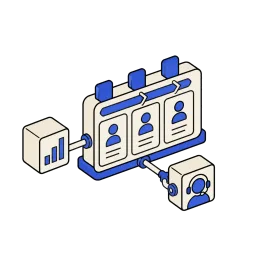
A form creates records, validates fields, assigns owners, and sends confirmations automatically.
Less manual entry and fewer missed requests.
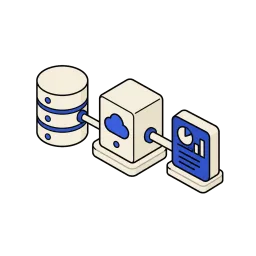
We connect tools with workflows, APIs, webhooks, MCP, and agents so repetitive tasks run by themselves with traceability and control.
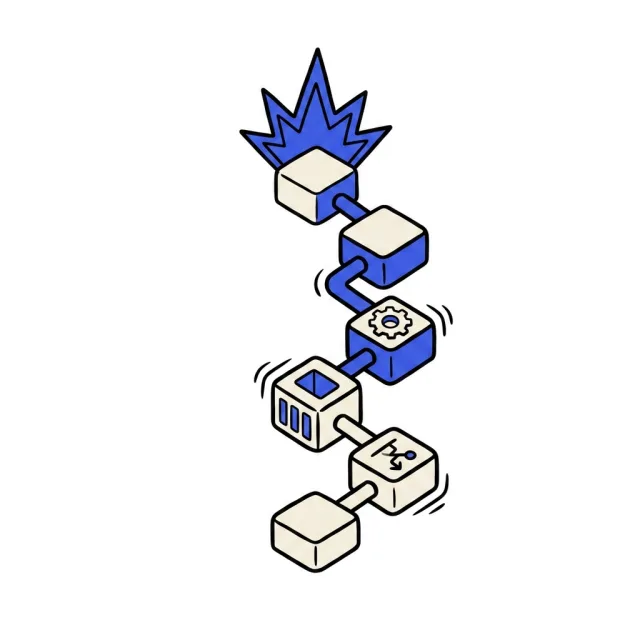
Event
01A form, payment, message, or new record triggers the workflow without anyone starting it manually.
Logic
02It validates data, applies rules, transforms information, and calls the APIs needed to solve the case.
Action
03It creates, updates, or synchronizes records across tools through APIs or webhooks without copying data.
Control
04Logs, retries, alerts, and metrics show what ran, what failed, and how much work was saved.
Automation is useful when it is observable, documented, and recoverable. Otherwise it becomes another fragile dependency.
Repetitive copy-paste tasks between systems nobody wants to do.
Integrations break silently and nobody notices until something fails.
Automations were built in a rush and nobody documented or understands them.
APIs and webhooks are connected without logs, retries, or visibility.
We automate where the workflow is clear, the value is measurable, and failures can be detected.
A form creates records, validates fields, assigns owners, and sends confirmations automatically.
Less manual entry and fewer missed requests.
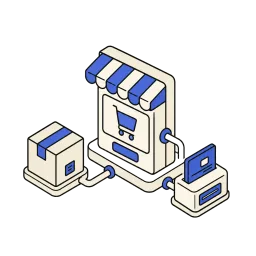
Events from one system trigger updates, notifications, and checks in the tools that need to know.
Systems stay synchronized without manual work.
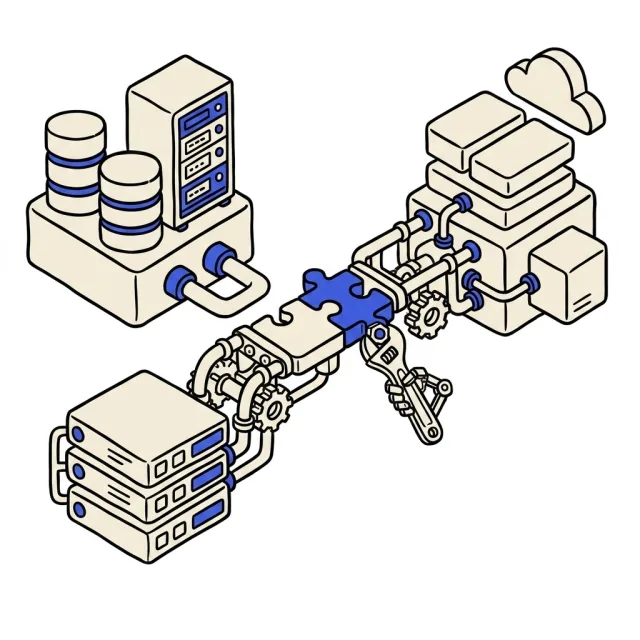
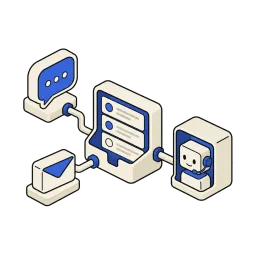
Data is transformed, normalized, and written where the operation needs it.
Cleaner information across systems.
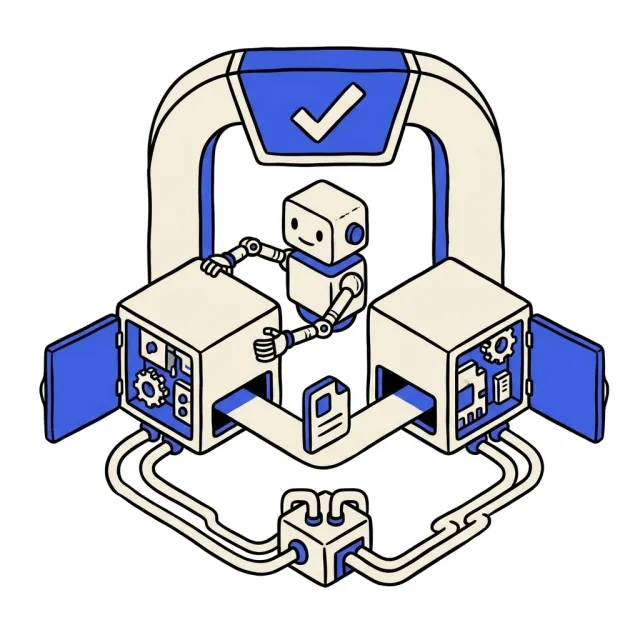
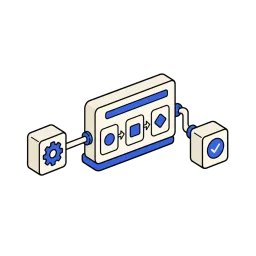
Logs, retries, alerts, and dashboards show what is running and what needs attention.
Automation with control, not blind trust.
Tools
We choose between no-code, low-code, APIs, or custom services according to risk, volume, and maintenance needs.
Automation has to be understandable by the team and recoverable when something fails.
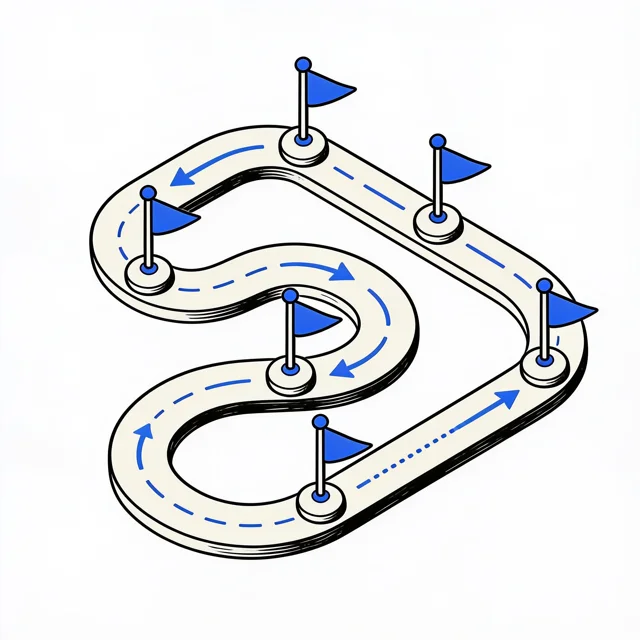
Workflow map and event triggers
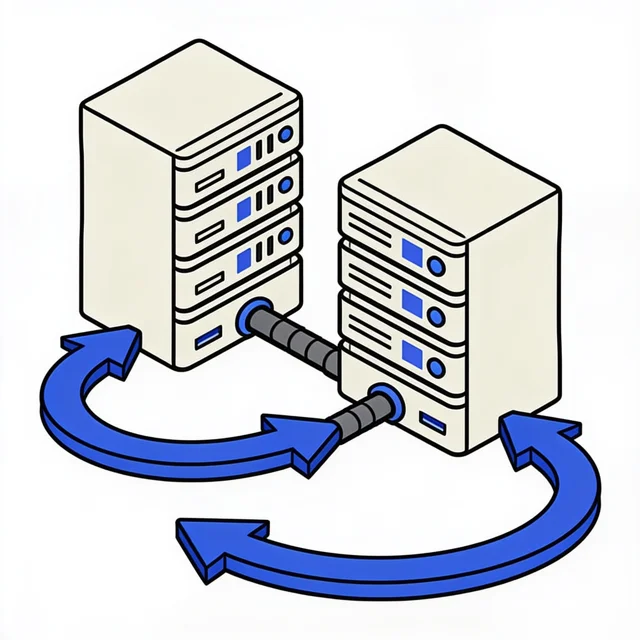
API and webhook connections
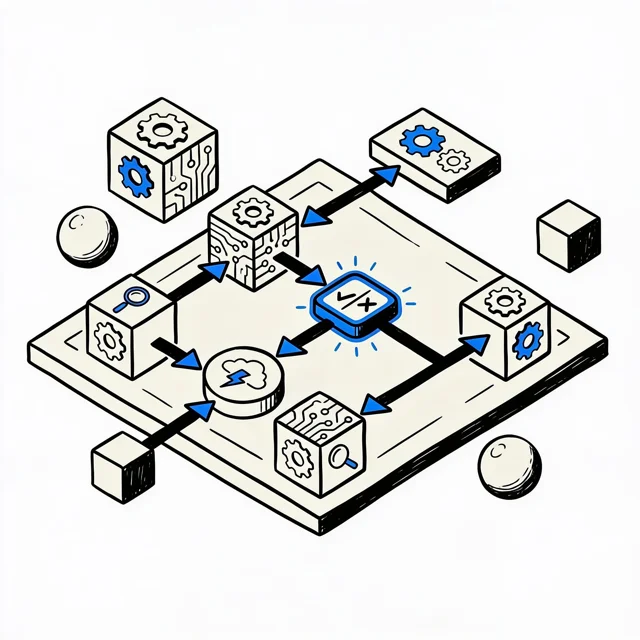
Validation and transformation rules
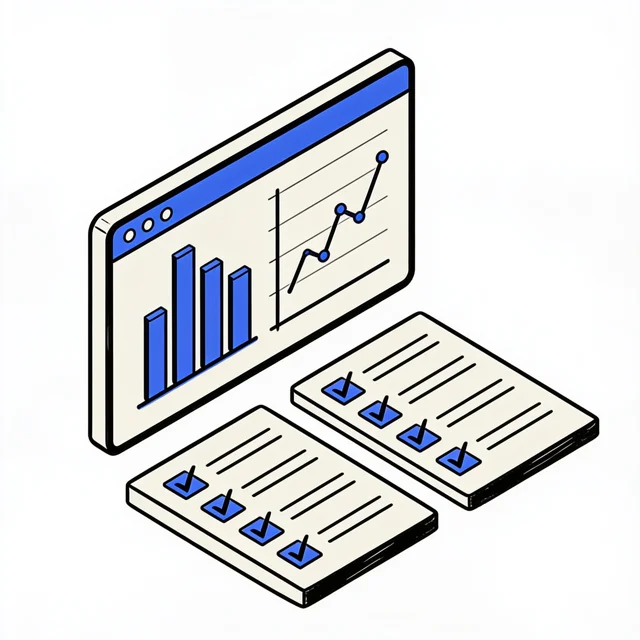
Logs, retries, and alerts
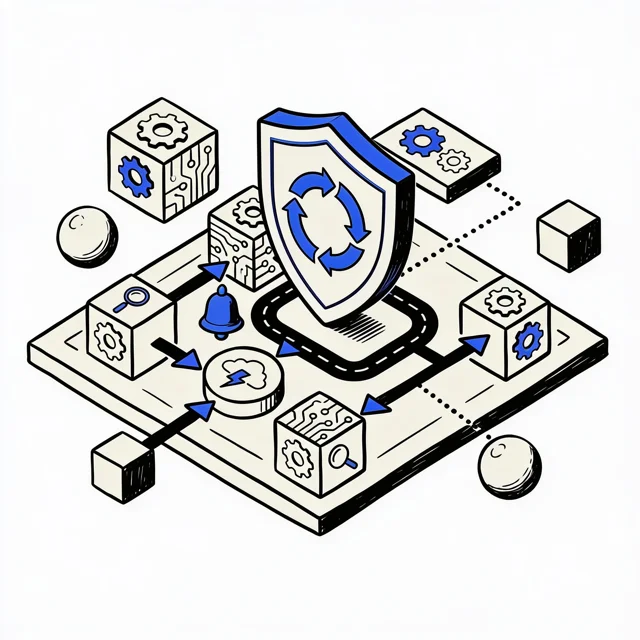
Human approval points when needed
Documentation and handoff
Zapier and Make are great when the flow is simple and supported. Custom integration is better when the logic, volume, reliability, or ownership requirements are higher.
We design retries, alerts, logs, and manual recovery paths so failures are visible and recoverable.
Yes, as long as there is an API, database, webhook, file exchange, or another stable integration point.
Next step
In one call we review repetitive tasks, tools, risk, and volume to choose an automation that saves real work.
or email us at hola@lirroy.com