









Sales agent
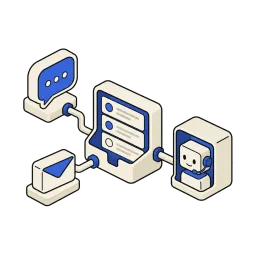
Answers inquiries, qualifies opportunities, and creates the deal in the CRM when it detects real intent.
Fewer lost leads, more useful follow-up.
Platform integrations with agentic AI
CRM, ecommerce, channels, APIs, automations, and agents. We help you decide what is worth connecting, implement it, and leave it working with real data.
Integraciones con IA
We work with commercial, operational, and technical tools so your agents can read information, execute actions, and leave an audit trail.
Lead capture, pipeline, sales follow-up, reporting, and human handoff.
Catalog, stock, orders, checkout, payments, post-sale, and conversational commerce.
Conversations connected with context, metrics, and routing to the right team.
Models, copilots, RAG, tool calling, and agents connected to business data.
No-code and low-code workflows, webhooks, OpenAPI, MCP, and actions between systems.
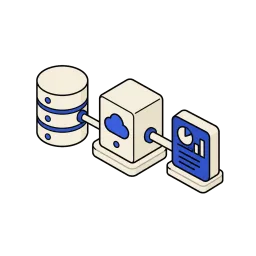
Databases, cloud, deploys, documents, and internal operations ready for agents.
Process
We work in three moves so the agent does not stay as a demo: it understands context, executes actions, and leaves traceability.
We identify where data lives, which channels your customers use, and which tasks repeat every day.
We define what it can read, what it can execute, when it asks for approval, and where each action is recorded.
We connect APIs, webhooks, MCP, or automations, test real cases, and leave metrics for improvement.
Practical recommendations
These are typical combinations we see working across sales, ecommerce, support, back office, and reporting. The tool matters less than the complete workflow.
Answers inquiries, qualifies opportunities, and creates the deal in the CRM when it detects real intent.
Fewer lost leads, more useful follow-up.
Captures forms, enriches data, segments leads, and triggers sales tasks without relying on spreadsheets.
A funnel that moves by itself until human judgment is needed.
Checks catalog, stock, and orders from chat, recommends products, and routes sensitive cases to the team.
More assisted sales without growing support headcount.
Reads tickets, history, and internal documents to answer better and escalate with a ready summary.
Less back-and-forth, better handoff.
Processes orders, updates databases, flags exceptions, and leaves traceability in operating systems.
Cleaner operations without creating yet another system.
Crosses sales, campaigns, and operations to generate actionable weekly summaries.
Data-driven decisions without manual report requests.
Receives requests, checks availability, schedules meetings, and confirms through the right channel.
Less manual coordination and fewer cold opportunities.
Detects due dates, prepares messages, records replies, and alerts the team when intervention is useful.
Consistent follow-up without manually chasing every case.
When tools are disconnected, the team still copies, pastes, and chases data. When they are connected, an agent can move real work forward.
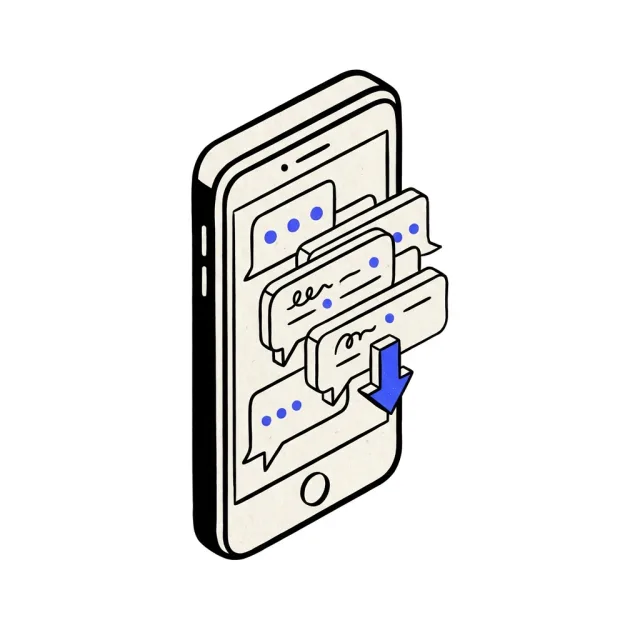
WhatsApp inquiries without follow-up.

Leads land in spreadsheets and go cold.

CRM data is stale because updates are manual.

Reports depend on asking someone for data.
FAQ
Not necessarily. Most projects start by connecting what already exists: CRM, ecommerce, WhatsApp, email, documents, databases, or spreadsheets.
It can execute actions if we connect it properly: create a lead, update a ticket, check stock, schedule a meeting, or prepare a report. We define limits and approvals according to risk.
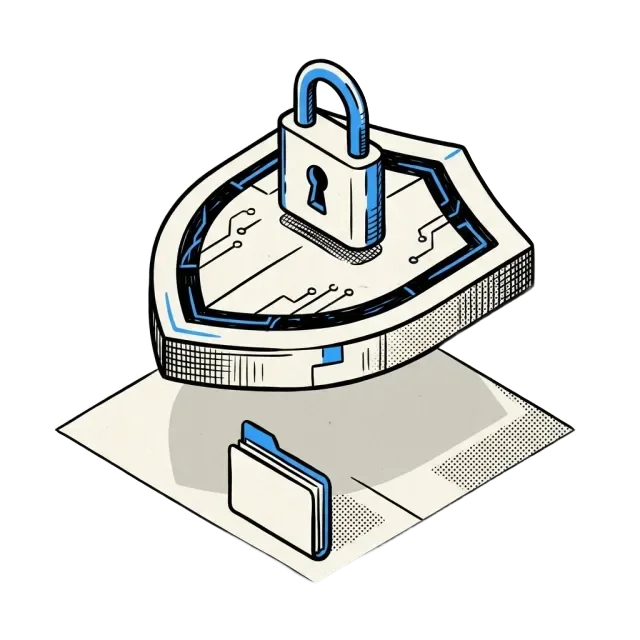
We design the workflow with tool-level permissions, traceability, action logs, and human review points when needed.
With one concrete, measurable workflow: sales, support, ecommerce, reporting, or back office. In a first call we identify which one has the highest impact and lowest friction.
Next step
30 minutes to review your case and recommend where to start. No commitment.
or email us at hola@lirroy.com